How Residential Care Homes Support Recovery After a Fall
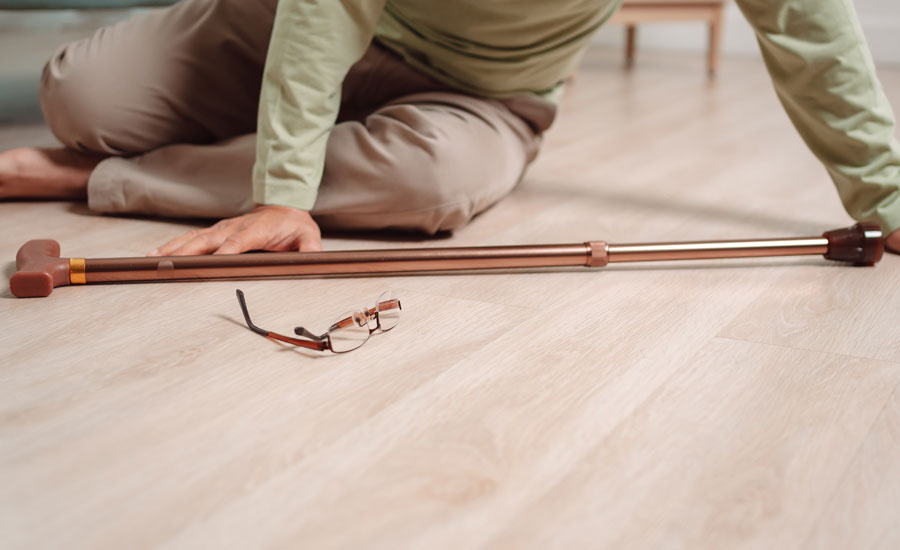
A fall can change your loved one’s care needs very quickly.
An older adult may leave hospital needing more help to walk, wash, dress or move safely from a bed or chair. Even without a serious injury, a fall can knock their confidence and make them nervous about moving around alone.
Keep reading to learn more about how residential care homes can play an important role in recovery by rebuilding residents’ strength, mobility and confidence after a fall.
Can Care Homes Help a Loved One Recover After a Fall?
Yes. A residential care home can offer excellent support for your loved one after a fall with mobility, personal care and everyday activities while they recover. Care staff will follow guidance from physiotherapists and other healthcare professionals, monitor changes in a resident’s needs and reduce risks within their daily environment that could contribute to another fall.
It Is Important to Understand Why the Fall Happened
There could be an obvious explanation for a fall, such as tripping over an obstacle. But, in other cases, several factors might have contributed.
Some things to consider include changes in balance, muscle weakness, poor vision and dizziness, all of which can affect a resident’s stability.
Medication also needs to be considered, particularly if your loved one has recently started a new prescription or their dosage has changed, as this can make people dizzy and weak.
Hydration is relevant too. Dehydration in older adults can contribute to dizziness and low blood pressure, so drinking enough is particularly important when a resident is already at risk of falls.
Where there are concerns about repeated falls or a noticeable change in mobility, the care team will raise these with the appropriate healthcare professional, giving your loved one’s GP or other clinicians more information about what has been happening between appointments.
Getting Residents Moving Again After Falling
After an injury or hospital stay, even familiar movements can take more effort than they used to.
For example, your loved one might need help getting out of bed in the morning or getting up from a low chair. A trip to the dining room that only took a couple of minutes could now require a walking aid and support from a carer.
But the good thing is, these ordinary parts of the day can become useful opportunities to regain mobility.
Where physical therapy in care homes is involved, staff can also support the exercises and recommendations included in your relative’s rehabilitation plan.
Recovery might include:
- Practising transfers between a bed and chair
- Gradually increasing walking distances
- Using a prescribed walking aid correctly
- Completing exercises recommended by a physiotherapist
- Returning to activities as mobility improves
Please keep in mind that progress is unlikely to look identical from one week to the next and staff can adjust the amount of assistance they provide as a resident’s abilities change.
How Older Adults Rebuild Confidence After a Fall
A fall can really shake up an older adult, leaving them fearing it happening again.
Fears of falling again are common, particularly if your loved one was injured or needed hospital treatment. This can sometimes continue even after their physical recovery is progressing well.
Your relative may become reluctant to walk without support or start avoiding activities because they are worried about losing their balance. But, over time, reduced activity can affect their strength and mobility, so rebuilding confidence is an incredibly important part of recovery and should be prioritised alongside the physical therapy.
Care staff can support residents as they return to their usual routines at a pace that is appropriate for them.
This could involve accompanying your loved one when they first start walking around the home again, making sure their mobility aid is always close by them or providing assistance as they get used to moving independently.
As their mobility and confidence improve, the level of support can be reviewed so your loved one can continue doing as much as they safely can, helping restore their sense of dignity and independence.
What Can Reduce the Risk of Another Fall?
There isn’t a universal falls-prevention checklist that can be applied to every older adult because the causes and risks differ. The physical environment matters as well. Good lighting, suitable equipment and clear routes through bedrooms and communal spaces can all make it easier for residents to move around safely.
For your loved one, staff might need to look at:
✓ Whether their walking aid is appropriate and kept within reach
✓ Footwear is secure and supportive
✓ Their eyesight or mobility has recently changed
✓ If they become dizzy after standing
✓ Furniture or other obstacles make frequently used routes difficult
✓ Are they eating and drinking enough
✓ Medication could be contributing to dizziness or unsteadiness and needs professional review
Sometimes a Fall Highlights a Bigger Change
If your loved one still lives at home and has recently had a fall, it doesn’t mean that they need to move into residential care.
For some families, however, it becomes the point at which they realise how much has changed in their relative’s health.
Have there been other falls recently? If your relative is already finding the stairs difficult or increasingly relying on family for meals, medication or personal care. Following an injury, the amount of assistance they need may increase further.
If this is happening, it may be useful to consider whether it is time to move from home care to a care home and what level of support your loved one now requires.
Residential care means assistance is available 24 hours a day, which is particularly important when mobility has changed because your relative is not dependent on a family member being available whenever they need help getting around, using the bathroom or completing their normal routine. Moving to a care home can help your loved one in many ways, and could be the place where they feel happier and healthier than living alone.
Recovery After a Fall Is Different for Every Resident
Your loved one might need considerable support in the first few weeks after a fall due to a physical injury, whether that’s broken bones or pulled muscles, or a knock to confidence, but their needs may change as they recover.
Regular care reviews can make sure the level of support remains appropriate. If your relative becomes steadier on their feet, starts managing personal care independently again or no longer needs assistance with certain activities, their care can be adjusted accordingly.
Recovery may also take longer than expected, particularly after a serious injury or lengthy hospital stay. In this case, changes in mobility or other normal abilities can be monitored and further input from healthcare professionals can be arranged as needed to ensure your loved one recovers fully.
Ready to explore...