How Dehydration Affects Older Adults and Why Care Homes Take It Seriously
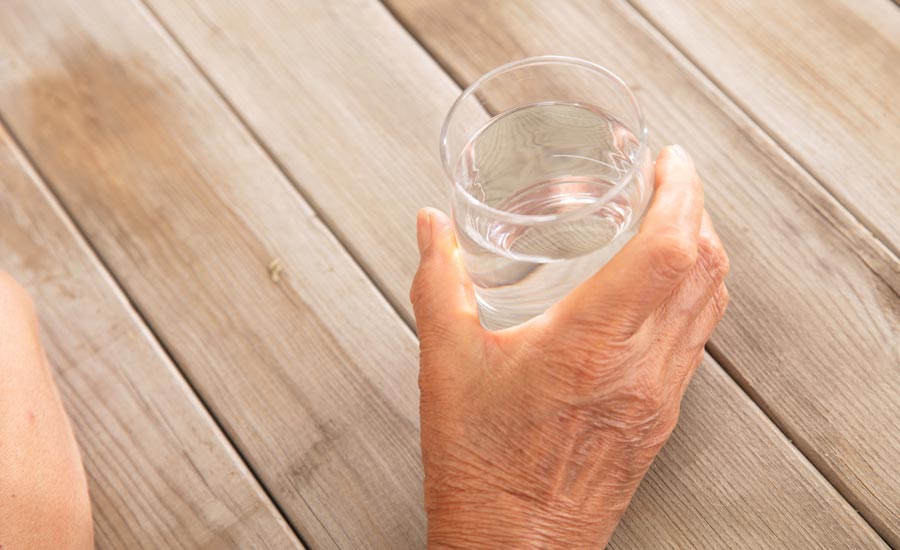
We all know that drinking enough water is incredibly important for our health. But what’s less well known is how dehydration affects older adults differently from younger people and how quickly it can become a serious health issue.
Keep reading to learn more about what dehydration does to an ageing body and why good care homes treat fluid intake with the same seriousness as medication management.
How Does Dehydration Affect Older Adults in Care Homes?
Dehydration in older adults can cause urinary tract infections, kidney problems, constipation, low blood pressure, falls, confusion and, in serious cases, hospitalisation. Older adults are significantly more vulnerable to dehydration than younger people because the body’s ability to retain water and signal thirst declines with age. In care homes, where residents may have mobility issues, cognitive impairment or medication that increases fluid loss, the risk is even higher.
Why Older Adults Dehydrate More Easily Than Younger People
One of the many body changes that happens as we age is that it becomes harder to stay hydrated.
That’s because their thirst mechanism becomes less reliable over time.
In fact, older adults often don’t feel thirsty even when their bodies need fluid, so dehydration can develop without anyone realising it. Research published found that older adults exhibit a markedly reduced thirst response compared to younger adults, even when their bodies show signs of fluid loss.
The kidneys also become less efficient at conserving water with age, so the body loses fluid more readily than it used to. And total body water decreases as we get older, too, meaning older adults have a smaller fluid reserve to draw on when intake drops.
For residents taking medications including diuretics, laxatives or certain blood pressure drugs, the risk increases.
These medications actively increase fluid loss, making hydration a concern that care homes need to monitor carefully and consistently.
Dehydration in Elderly Adults
Research has documented a wide range of physical and cognitive consequences for dehydration in the elderly, several of which are serious enough to result in hospitalisation, including:
Urinary Tract Infections
UTIs are one of the most common complications of chronic mild dehydration in older adults. When fluid intake is low, urine becomes more concentrated, allowing bacteria to multiply more readily in the urinary tract. Studies have found that increasing fluid intake in older adults significantly reduces the frequency of UTIs.
Kidney Problems
Persistent dehydration puts the kidneys under sustained pressure because they depend on adequate fluid to filter waste from the blood. Dehydration is linked to declining kidney function in older adults over time. For residents with existing kidney conditions, the impact on their kidneys is considerably higher.
Constipation
Dehydration is a leading cause of constipation in older adults. The large intestine absorbs water from food as it passes through, and when fluid levels are low, stools become hard and difficult to pass. Chronic constipation in care home residents is associated with reduced appetite, discomfort and in some cases more serious bowel complications.
Falls and Low Blood Pressure
Dehydration reduces blood volume, which lowers blood pressure, particularly when a resident stands up. This is known as orthostatic hypotension and it significantly increases the risk of dizziness and falls. Given that falls are one of the leading causes of serious injury in care home residents, dehydration is an avoidable risk that good homes work hard to manage.
Confusion and Cognitive Decline
For residents living with dementia, dehydration can cause a rapid and significant worsening of confusion that care staff can mistake for a deterioration in their underlying condition.
A study published found that dehydrated older adults performed significantly worse on cognitive tests than those who were adequately hydrated, but rehydration improved performance.
Hospitalisation
Dehydration is one of the most common causes of avoidable hospital admissions among older adults in the UK. NHS data has consistently identified it as a preventable condition that places significant pressure on acute services. Preventing it is part of delivering safe care for residents.
How Good Care Homes Manage Hydration
Care homes that take hydration seriously put systems in place that make adequate fluid intake a reliable part of daily life for every resident.
Care staff can:
- Schedule fluid rounds throughout the day rather than waiting for residents to ask
- Offer a variety of drinks, including hot drinks, squash and water, alongside foods with high water content like soup, fruit and yoghurt
- Monitor fluid intake for residents identified as higher risk, including those on diuretics or with a history of UTIs
- Ensure staff are trained to recognise early signs of dehydration, including dark urine, dry mouth, sudden confusion and reduced urine output
- Use adapted cups, straws and drinking aids for residents who find drinking independently difficult
Preventing Dehydration in Care Homes
As you can see, dehydration in the elderly is well understood and, in most cases, preventable.
For care home staff, that means treating hydration as a daily clinical priority. And for families, knowing what to look for and feeling confident enough to raise concerns when something doesn’t seem right is important.
The research details what poor hydration does to an ageing body and the consequences are too serious to leave to chance.
Ready to explore...