Who Benefits Most From Intergenerational Activities In Care Homes?
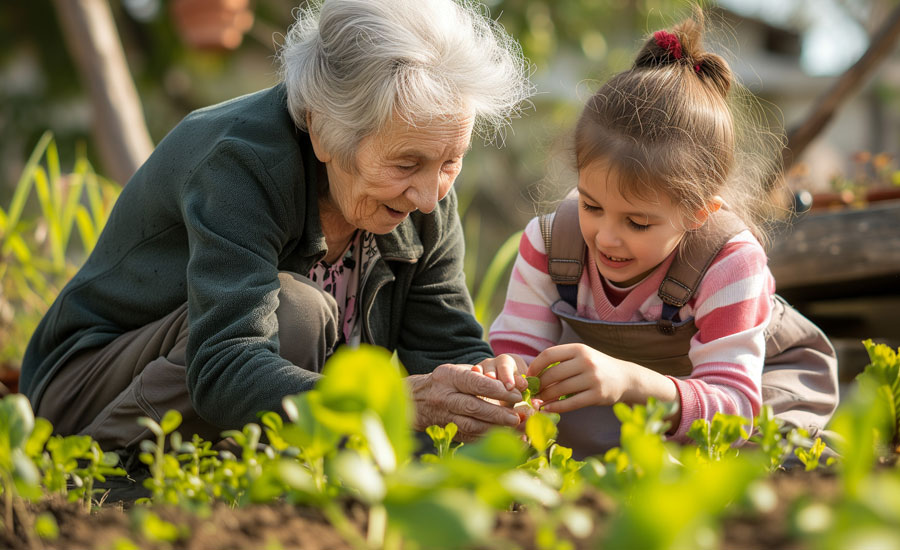
Intergenerational activities in care homes are gaining serious traction — and for good reason. When done well, they produce measurable improvements in mental health, behaviour and quality of life across multiple groups simultaneously.
Understanding who benefits most helps care homes prioritise programs that deliver real impact. So, keep reading to learn more about intergenerational activities in care homes and how they help everyone involved.
What Are Intergenerational Activities In Care Homes?
Intergenerational activities fall into four broad categories:
- Learning and skill exchange – Residents teach traditional crafts, cooking or music. Young people teach technology skills or creative practices. Knowledge moves in both directions.
- Creative collaboration – Joint art projects, music sessions, oral history recordings, storytelling or photography projects where both generations contribute to a shared outcome.
- Practical tasks with purpose – Gardening, cooking or building projects with a shared goal. Working toward something together creates stronger bonds than socialising for its own sake.
- Companionship programs – Structured schemes where the same young person visits the same resident weekly, such as playing games, reading or spending some time together consistently.
Residents With Dementia
Those living with dementia in care homes actually respond particularly well to intergenerational contact, thanks to children’s natural, unself-conscious interaction style, which cuts through barriers that adult interaction sometimes creates.
Research found that dementia residents who engaged in regular intergenerational programs showed reduced agitation, improved mood and increased verbal communication.
Children don’t overcomplicate things. They make eye contact, they laugh, they engage physically through hand-holding or simple games, forms of connection that remain accessible even when language and memory are compromised.
Music-based programs show particular promise. Singing familiar songs with young visitors activates memory pathways that other activities struggle to reach.
Isolation And Depression in Care Homes
Social isolation is endemic in care homes. Even in well-run facilities, many residents can go days without meaningful personal interaction.
Having a young person who genuinely knows you and remembers your stories, asks follow-up questions and shows up week after week creates a sense of being valued that’s difficult to replicate. For residents without nearby family or regular visitors, these relationships become anchoring connections they need to keep loneliness at bay. Studies consistently show significant reductions in loneliness scores and depressive symptoms among residents in regular intergenerational programs compared to those without.
How Young People Benefit From Intergenerational Activities
Modern children often grow up with minimal meaningful contact with older adults outside their immediate family. Participation in care home programs changes that in tangible ways.
Children who regularly visit care homes develop better attitudes toward ageing, greater comfort with physical and cognitive decline and stronger empathy. A recent review found measurable improvements in emotional intelligence among children participating in structured elder interaction programs.
For children without nearby grandparents or those navigating difficult home circumstances, a consistent older adult who listens and engages can provide genuine stability and perspective, enabling them to feel calmer and more stable in their lives.
Care Home Staff
This benefit rarely gets the attention it deserves. Staff working in homes with active intergenerational programs consistently report higher job satisfaction. Watching residents engage, seeing behavioural improvements and working in an environment that feels connected to the wider community all make a tangible difference to morale.
There’s a practical dimension too, with residents who are less agitated and more socially engaged actually placing less emotional demand on staff, proving that intergenerational programming also improves working conditions in the care home.
Families Of Residents
Visits to care homes can feel awkward, particularly for children unsure how to behave or what to say. Structured activities solve this. When there’s a shared project, like a craft, a music session or something to tend in the garden, then conversation happens naturally and visits feel purposeful.
Families who leave feeling a visit went well come back more often. That increased frequency significantly compounds the benefits for residents.
Everyone Benefits From Intergenerational Activities
Residents with dementia and children with limited elderly exposure show the most dramatic improvements from intergenerational programs.
But the effect doesn’t stop there.
Better resident well-being improves staff experience. Positive visits increase family frequency and stronger community ties improve the care home’s wider reputation and relationships.
Care homes that are seeing the best outcomes are not treating intergenerational programming as an occasional nice-to-have, but are embedding it into their care philosophy as a genuine well-being intervention, and that is what makes the real difference.
Ready to explore...